




7 Safe at Home Eligibility Requirements You Must Meet

Quick Summary
The safe at home program is not a single program, so first confirm which one you mean. Eligibility depends on the exact program, but common criteria include age, a documented functional need, residency, home ownership or tenancy, income, and home condition. Confirm each requirement with the program's official listing or intake line before you apply.
Several Ontario programs use similar names, each with its own eligibility rules.
Match the program name to your goal: home care, home modification funding, or a safety assessment.
Seniors' programs commonly set a minimum age of 65, though some disability programs differ.
Tenants need landlord consent for rental home changes, and some grants may apply to renters.
Keep a file with the program name, document copies, submission date, and decision letter.
Table of Contents
Which Safe at Home Program You Are Asking About
Last Updated: October 28, 2026
"Safe at Home" is not one program. Several Ontario programs use similar names, and each has its own eligibility rules. Before you check whether you qualify, confirm which one you mean. Start with the Ministry of Health's official program listings at Ontario Ministry of Health program information or your local Ontario Health Team.
Many readers looking for home safety help want accessibility changes. Others need home care services. The rules differ, so match the program name to your goal first.
Home care or personal support services: Help with bathing, meals and daily tasks
Home modification or accessibility funding: Money for physical changes to the house
Senior home safety assessments: A visit to find hazards and recommend fixes
Once you know the program, write down its exact name. You will need it when you call or apply.
Who the Safe at Home Program Serves and Who Qualifies
Because similarly named programs may have different eligibility rules, confirm the conditions for the exact program you are applying to. Use the checklist below to prepare before you call.
Pro Tip Print this checklist and write the program's exact name at the top. When you call, ask the intake worker to confirm each line. That conversation is your best source of current rules.
Eligibility Checklist: Age, Health, Residency, Income, and Home
Criterion | What to confirm | Typical pattern (verify with the program) |
Age | Minimum age for the specific program | Seniors' programs commonly set 65+; disability-focused programs may accept younger adults |
Health or functional need | Documented limitation in activities of daily living (bathing, dressing, mobility, meal preparation) | A health professional's letter or a formal functional assessment is often required |
Residency | Live in the province and in the program's service area | Proof such as a utility bill, tax notice, or lease |
Home ownership or tenancy | Whether you own or rent, and whether landlord consent is needed | Both owners and tenants may qualify for some grants; rental changes usually need written landlord consent |
Income | Whether the program uses a means test | Some programs are income-tested; others are not, ask directly |
Home condition | Whether the home is safe to modify and whether the work is feasible | An assessor may decline work that is structurally unsafe or beyond program scope |
Age and Functional Need Thresholds
Check the exact program's eligibility criteria and ask what documentation it requires.
Residency, Ownership, and Rental Rules
Check the exact program's residency and housing requirements. If you rent, ask the program whether landlord consent or alternative supports are relevant.
Income and Means Testing
Ask the program whether it uses an income test and what documents it requires.
Watch Out Eligibility rules change. Confirm every line above with the program's official page or intake line before you spend money on quotes or assessments.
Home Safety Assessment for Seniors: What the Assessor Checks
Check whether the program requires a home safety assessment and how it uses the results.
If an assessment is required, ask the program what it covers and what information you should prepare.
Home Modification Funding Eligibility: Covered Work and Funding Limits
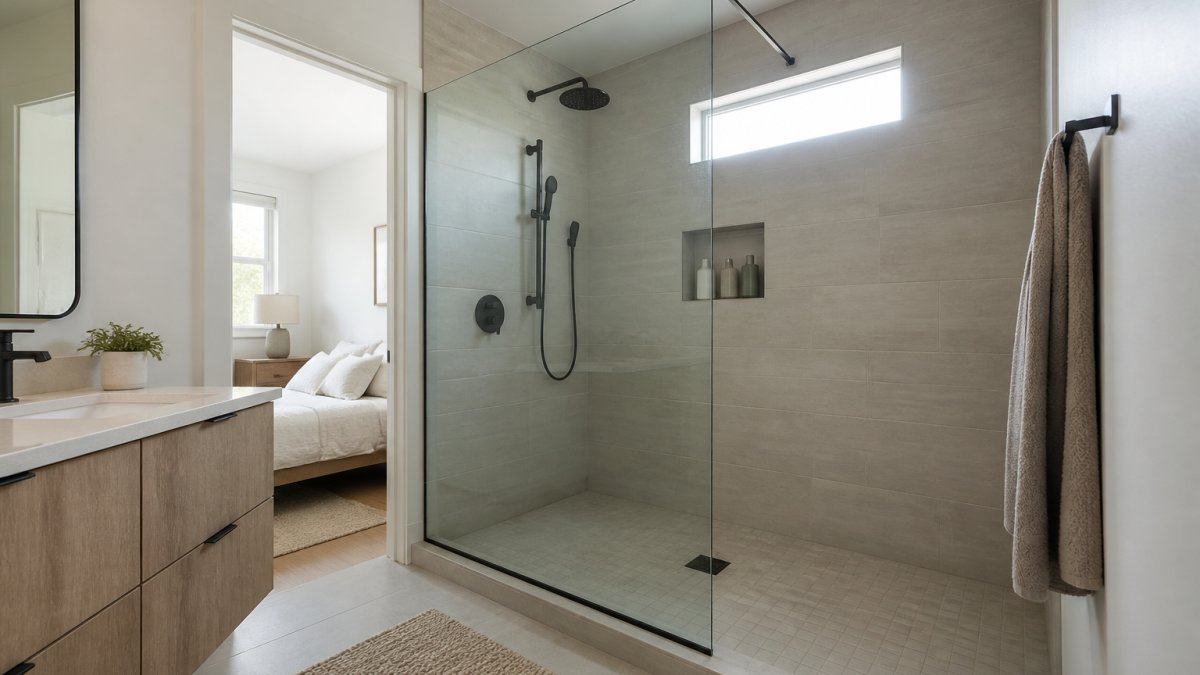
Ask the specific program which modifications it covers, whether it has funding limits, and whether you must pay any share. You can also look at bathroom renovation services such as walk-in showers and heated floors to compare against covered work.
Some readers also plan larger projects. A project that changes a home's layout may require checking applicable permit requirements. Ask the program how it handles work that goes beyond the assessed needs. Stair work is often part of accessibility projects, so you can review custom staircase and stair renovation services as well.
Home Accessibility Grants and Documents to Gather
Ask the program which documents it requires and whether it needs originals or copies.
Step-by-Step: Applying and Reading the Decision Timeline
This section outlines steps to consider, from confirming the program to asking about a decision.

Step 1: Confirm the Exact Program and Jurisdiction
Confirm the program's full name and ask the program which office handles it and what work it covers.
Step 2: Complete a Self-Assessment Against the Checklist
Use the eligibility checklist in the previous section. Note any criterion you cannot confirm and ask the program about it before you submit.
Step 3: Gather Forms and Documents
Ask the program which documents it requires, how to submit them, and whether it needs originals or copies. Keep a copy of what you send.
Step 4: Request the Home Assessment
Ask the program whether it requires a home assessment and how to arrange one.
Step 5: Submit the Application and Track It
Follow the program's instructions for submitting the application.
Step 6: Understand the Decision Timeline
Ask the program about its processing time and how to check the status of your application.
Step 7: Read the Decision Letter Carefully
Ask the program what information its decision will include and clarify any conditions before proceeding.
Step 8: Reassessment and Appeals
If you are denied or your needs change, ask the program whether it offers a review, appeal, or reassessment process and what deadlines apply.
Key Takeaway Keep a simple file for your application: the program name and contact, your document copies, the submission date and reference number, the decision letter, and any appeal correspondence. That file is your best protection if a question arises later.
Planning Aging in Place Home Renovations Once Funding Is Confirmed
Once you know what the program will pay for, plan the rest of the project. Readers ready to plan can review comprehensive home renovation services that can carry out the accessibility work. Aging in place home renovations often combine funded accessibility work with other updates you choose to pay for yourself.
Start by listing every change you want. Mark which ones the program covers. Then plan the order of work so that funded items are done first and the rest fit around them.
Northern Son provides home renovation and general contracting services to homeowners and commercial clients across Sault Ste. Marie and the Algoma District. The company offers 3D design visualization to help clients see layouts and finishes before construction begins. Northern Son is accredited, licensed, bonded and insured.
Ask a contractor for a written quote that separates the work into clear items.
Booking a Free Estimate for Your Accessibility Project
If you are ready to move forward, book a free estimate with Northern Son. Call Northern Son today to request your free quote, or contact us through our website.
Frequently Asked Questions
Who is eligible for a Safe at Home program?
Eligibility depends on the specific program and the funder. Check the program's current criteria before you apply.
What home modifications may qualify for funding?
Ask the funder which modifications it covers, whether it requires an assessment, and whether funding limits apply before you commit to a contractor.
Do I need a medical assessment to apply for home safety funding?
Ask the program whether it requires an assessment, which forms it accepts, and whether it must be recent. Keep copies of any reports you submit.
How do I apply for a home modification grant?
Start by confirming the program's application process and eligibility requirements. Ask which documents it requires, whether work must wait until approval, what decision timeline applies, and whether a review process is available if your request is denied.


Comments